Sustainable Energy for Homeowners in the Netherlands
- Houses
- By Nkanyiso@mrnN
- March 3, 2025
Sustainable energy is becoming more important than ever before. Not only does it help reduce carbon emissions and protect the environment, but it can also save you a lot of money in the long run. In the Netherlands, the government has set ambitious targets for reducing greenhouse gas emissions to achieve a carbon-neutral economy by 2050. In this blog post, we will discuss what energy upgrades and subsidies are available to you and why it’s beneficial to upgrade to sustainable energy in the Netherlands.
There are several sustainable energy upgrades that you can do to your home that can save you money. These upgrades include:
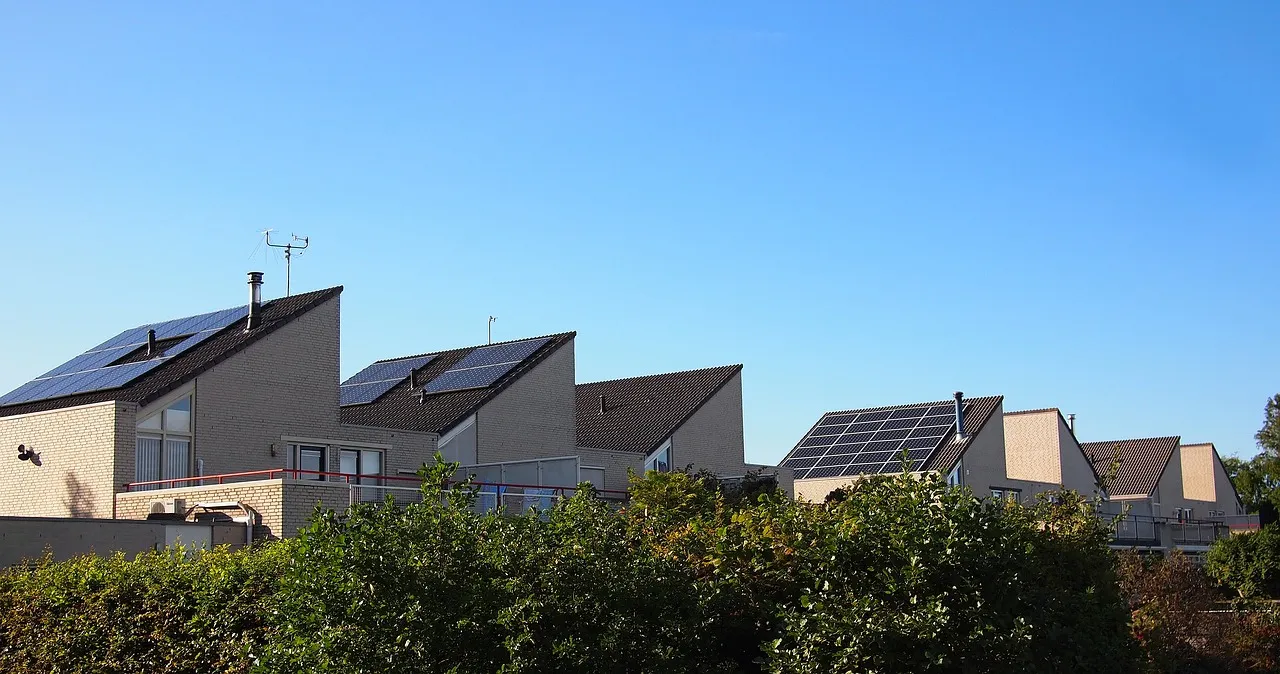
- Solar panels: Installing solar panels on your roof can help you generate clean energy and reduce your reliance on grid electricity. It can also help your home become energy neutral, whereby you produce as much energy as you use in a year and therefore don’t need to pay for electricity!
- Heat pumps: Heat pumps can help you heat your home in an efficient and environmentally friendly way. They can extract heat from the air or ground, and use it to heat your home.
- Insulation: Improving the insulation in your home can help you reduce energy waste and save on heating costs. You can add insulation to your walls, roof, and floors.
- Smart thermostats: Installing a smart thermostat can help you regulate the temperature in your home more efficiently, which can lead to energy savings.
- Energy-efficient appliances: Replacing your old appliances with energy-efficient models can help you reduce your energy consumption.
It’s worth noting that the Dutch government is actively promoting sustainable energy use through various incentives and subsidies. These include tax benefits, grants, and loans, which can help you to cover the initial costs of upgrading your home to sustainable energy. By taking advantage of these incentives, you can reduce your overall energy costs and help to protect the environment.
In terms of tax benefits, the Dutch government offers several subsidies and tax credits to encourage sustainable energy upgrades in homes. These benefits include:
The Investment subsidy for sustainable energy and energy saving (ISDE).
If you are the owner of your own home and it is your main residence, then you can make use of the Investment subsidy for sustainable energy and energy saving (ISDE Investeringssubsidie duurzame energie).
1. With a subsidy under the ISDE you can:
-
- insulate your home;
- buy a solar water heater or a warmtepomp (electric water heater);
- buy an electric cooking appliance, for example, an induction hob;
- connect your house to a warmtenet (heat network). A warmtenet is a network of pipes under the ground through which hot water flows. You can use that hot water to heat your home.
2. The BTW-teruggave zonnepanelen: This is a VAT refund program for solar panel installations. Homeowners can receive a refund of the VAT paid on the purchase and installation of solar panels or they are zero Vat rated.
3. The energy investment deduction (EIA): is a tax incentive program offered by the Dutch government to encourage homeowners and businesses to invest in energy-saving measures and renewable energy sources. The program provides tax relief for the costs of energy-saving measures, such as insulation, LED lighting, and energy-efficient heating and cooling systems.
To qualify for the EIA as a homeowner in the Netherlands, you must meet certain criteria. First, the investment must be in energy-saving measures or renewable energy sources that meet the technical requirements outlined by the Dutch government. Second, the investment must be made in a qualifying property that is used as your main residence.
The amount of tax relief you can receive through the EIA program depends on the size of your investment and your personal tax situation. The tax relief is calculated as a percentage of the eligible investment costs and can range from 45% to 11%. The EIA program is intended to promote energy efficiency and renewable energy in the Netherlands by providing tax incentives to homeowners and businesses that invest in these areas.
Another reason why it’s important to upgrade to sustainable energy is that it can significantly improve the value of your home. In recent years, there has been a growing demand for energy-efficient homes in the Netherlands, and this trend is only set to continue. By upgrading to sustainable energy, you can make your home more attractive to buyers, which could lead to a higher selling price in the future.
Moreover, sustainable energy solutions such as solar panels, heat pumps, and insulation can significantly reduce your energy bills. This is particularly important in the Netherlands, where energy costs are relatively high compared to other European countries. By generating your own electricity or heat, you can reduce your reliance on expensive grid energy, which can help you to save money over time.
At Homes for Expats, we believe that upgrading to sustainable energy is not only a responsible choice but also a smart investment. We encourage our clients to consider the benefits of sustainable energy and explore the options available to them.