


Buying a home in Amsterdam as an expat: step-by-step guide
Buying property in Amsterdam as an expat can feel intense, especially if you are unfamiliar with the Dutch housing market.
Homes sell quickly, bidding wars are common, and legal concepts such as leasehold (erfpacht) can be confusing at first.
The good news is that with the right preparation and guidance, many expats successfully buy homes in Amsterdam every year.
In this guide, we walk you step by step through how to buy a home in Amsterdam as an expat, so you know what to expect and how to avoid common mistakes.
Step 1 – Understand the Amsterdam housing market
Amsterdam has one of the most competitive housing markets in the Netherlands. Demand is high, supply is limited, and well-priced homes often sell above asking price.
As an expat buyer, it’s important to understand how neighbourhoods differ, how bidding works, and how quickly decisions often need to be made.
Key things to know about buying in Amsterdam:
- Popular neighbourhoods such as Zuid, De Pijp, Oud-West and Centrum tend to be more expensive.
- Newer areas like Amsterdam Noord may offer better value.
- Overbidding is common but should be strategic.
- Leasehold (erfpacht) vs freehold ownership can significantly affect long-term costs.
- Apartments often come with a homeowners’ association (VvE) that must be reviewed carefully.
Tip: before viewing properties, research recent sale prices in your target neighbourhoods rather than focusing only on asking prices.

Step 2 – Set a realistic budget and financing plan
Can expats get a mortgage in Amsterdam?
Many expats can qualify for a Dutch mortgage, depending on their income, employment contract, residency status and length of stay. Lenders may consider permanent contracts, long-term temporary contracts, or income from abroad in certain cases. A mortgage advisor can help clarify your options early in the process.
Costs to budget for in addition to the purchase price:
- Transfer tax (usually 2% for owner-occupied homes).
- Notary fees and registration costs.
- Mortgage and valuation fees.
- Technical inspection costs.
- Potential leasehold-related costs.
At Homes for Expats, we help buyers understand what is realistic within their budget and avoid falling in love with properties that are unlikely to be achievable.
Step 3 – Work with an expat buying agent in Amsterdam
Buying a home in Amsterdam without local representation can put expats at a disadvantage.
An expat buying agent represents your interests only and helps you navigate the competitive market, legal requirements and negotiation strategies.
How an expat buying agent can help:
- Identify suitable properties early.
- Advise on realistic offer prices.
- Communicate with selling agents in Dutch.
- Structure strong bids in competitive situations.
- Guide you through inspections and legal steps.
Step 4 – View properties and assess risks
Property viewings in Amsterdam often move quickly and may involve multiple interested buyers. During viewings, it’s important to look beyond surface details and assess the overall condition, building maintenance, and documentation.
What to check during viewings:
- General condition and visible defects.
- Maintenance and reserve funds of the VvE.
- Leasehold conditions and future payments.
- Noise levels and surroundings.
- Renovation potential and restrictions.

Step 5 – Making an offer in Amsterdam
Making an offer in Amsterdam usually involves a written proposal rather than simple negotiation. Your offer includes price, conditions, and preferred transfer date. A strong offer balances competitiveness with protection.
Offer strategy considerations:
- Price versus conditions trade-offs.
- Financing and inspection clauses.
- Flexibility on transfer date.
- Understanding seller priorities.
Step 6 – Inspection and valuation
After your offer is accepted, a technical inspection helps identify hidden defects, while a valuation report confirms the property’s market value for your mortgage lender. These steps protect you financially.
Step 7 – Legal process and notary
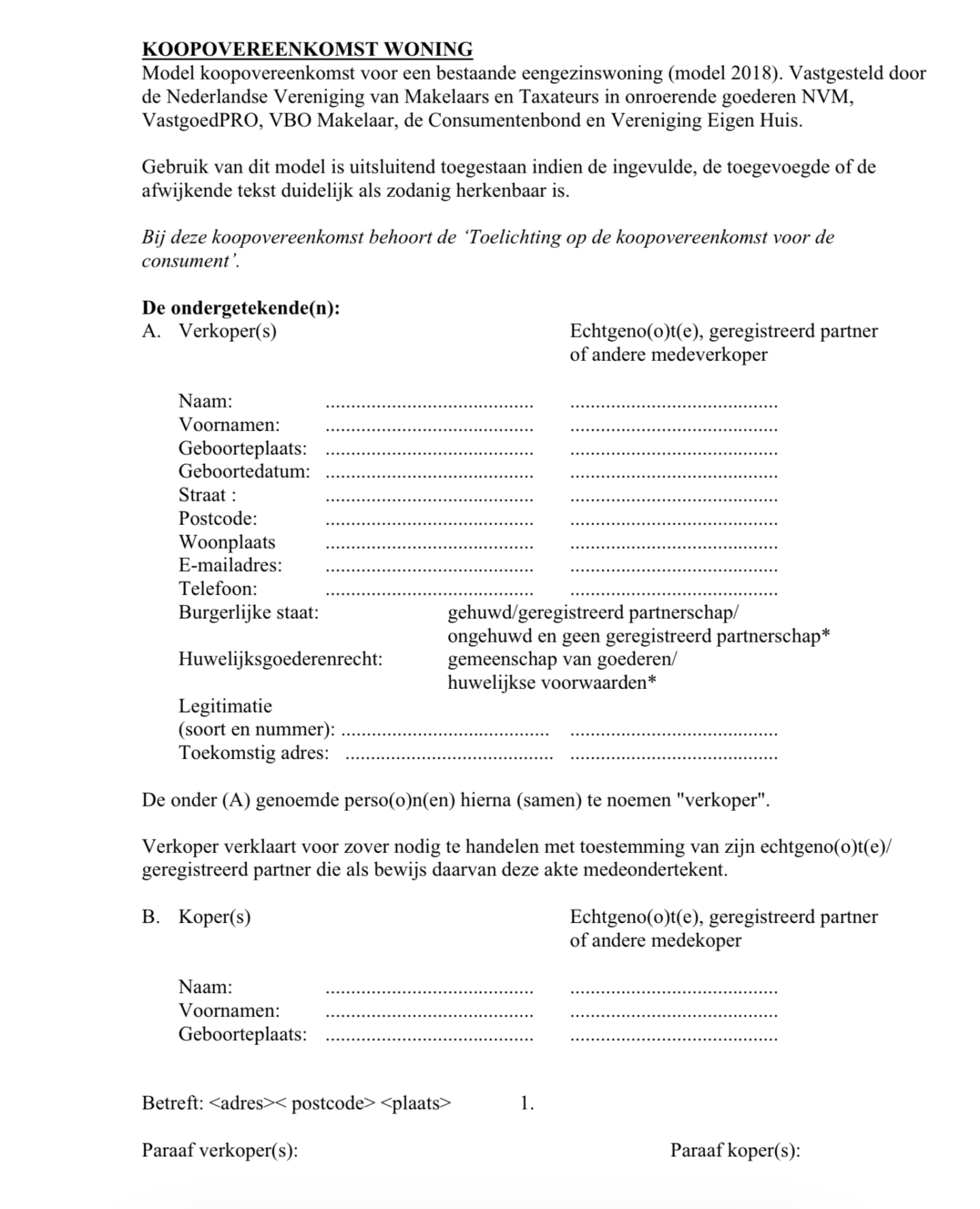
The legal transfer is handled by a Dutch notary. Contracts are reviewed, mortgage deeds prepared, and ownership officially registered. A final inspection takes place shortly before completion.
Step 8 – Transfer, keys and after-purchase support
Once the transfer is complete and funds are paid, you receive the keys to your new home in Amsterdam. Many expats benefit from ongoing support with registration, utilities, or renovations after purchase.
Common mistakes expats make when buying in Amsterdam
Common mistakes include:
- Underestimating competition and timelines.
- Ignoring leasehold conditions.
- Skipping inspections to win a bid.
- Not reviewing VvE documentation.
- Making emotional offers without strategy.
When to get professional help
While some expats buy independently, many choose professional support to reduce risk and stress. A good buying agent provides clarity, local knowledge and guidance throughout the process.
At Homes for Expats, we support you from the first conversation to key handover. If you are considering buying a home in Amsterdam as an expat, you can contact us to discuss your situation and goals.
Discover our purchasing services

FAQ – Buying a home in Amsterdam as an expat
Can expats buy property in Amsterdam?
Yes. Expats can legally buy property in Amsterdam. The process is the same as for Dutch buyers, although financing options and documentation may differ depending on your situation.
Do I need to live in the Netherlands to buy a home in Amsterdam?
No. Many expats buy property while living abroad, although viewings, paperwork and power of attorney arrangements may be needed. Local guidance becomes especially important in these cases.
How long does the buying process take in Amsterdam?
From accepted offer to key handover usually takes six to eight weeks, depending on financing and notary availability. Finding the right property can take longer in a competitive market.
Yes. Expats can legally buy property in Amsterdam. The process is the same as for Dutch buyers, although financing options and documentation may differ depending on your situation.
No. Many expats buy property while living abroad, although viewings, paperwork and power of attorney arrangements may be needed. Local guidance becomes especially important in these cases.
From accepted offer to key handover usually takes six to eight weeks, depending on financing and notary availability. Finding the right property can take longer in a competitive market.